
How we work from enquiry to completion
You should understand the work before you agree to it, know who to contact while it is happening and have a clear view of what has been completed at the end.
On this page
Clarke's Construction brings building, electrical and painting together for projects in Kerikeri and the Bay of Islands. The steps below explain the approach we discuss with you, adjusted to the scale and type of job.
01 Tell us about the property and the work
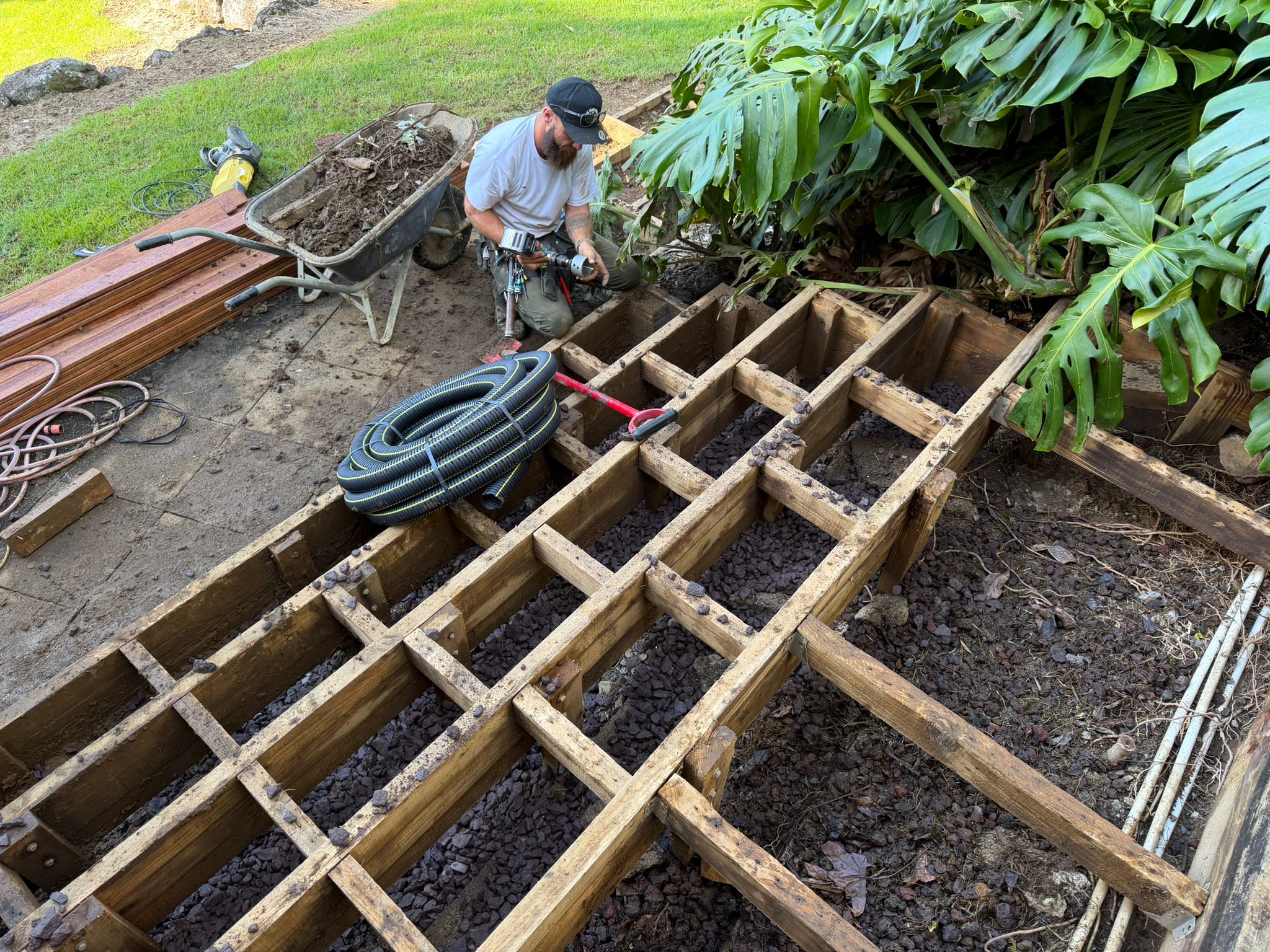
Start with the location, what you want to change and the stage you have reached. Photos, drawings or an existing assessment help us understand the enquiry. If you do not have plans, explain the problem you want to solve or the outcome you have in mind.
We confirm whether the enquiry fits the service and discuss the appropriate next step. That might be a further conversation, a site assessment or information needed from a designer or another specialist. We explain any charge for assessment or detailed quoting before it is booked.
02 Define a clear scope
The work needs to be sufficiently understood before a reliable proposal can be prepared. We discuss existing conditions, access, materials, finishes, timing and the people who need to be involved.
Our proposal explains what is included and excluded, any allowances or unresolved decisions, the pricing basis and who is responsible for additional specialists. We also identify design, consent and inspection responsibilities where they apply.
Ask about anything you do not understand. A detailed scope is useful because two proposals may describe very different amounts of work even when they use the same service name.
03 Agree the work and programme
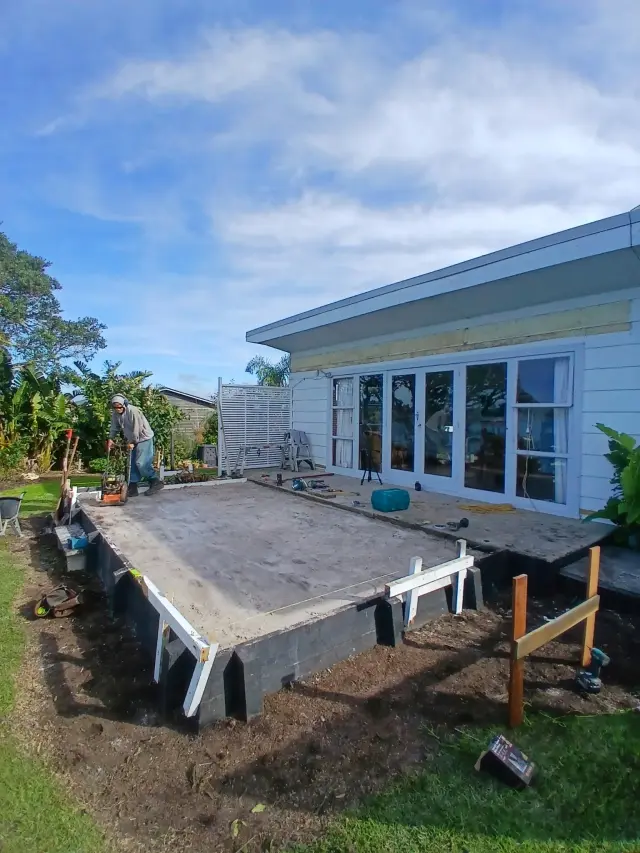
Before work is scheduled, the scope and commercial arrangements need to be agreed. This includes the relevant payment stages, responsibilities and practical access arrangements.
We also identify decisions you need to make, such as fittings, colours or materials, and when those decisions are needed. Product availability, approvals, existing conditions and weather can affect the programme. Discuss any particular deadline at the beginning so it can be considered honestly.
04 Carry out the work and communicate changes
You know who to contact about the job. The building, electrical and painting stages are coordinated around the agreed work, with the arrangements for other specialists identified where needed.
We discuss access, security, household use, children and pets, and any separation required between the work area and the occupied home. The practical arrangement depends on the project.
Existing buildings can reveal conditions that were not visible at the outset. If the work needs to change, we explain the issue and proposed response, including effects on cost and timing. We agree additional work with you before proceeding, except where an immediate safety response is needed.
05 Review the agreed work at completion
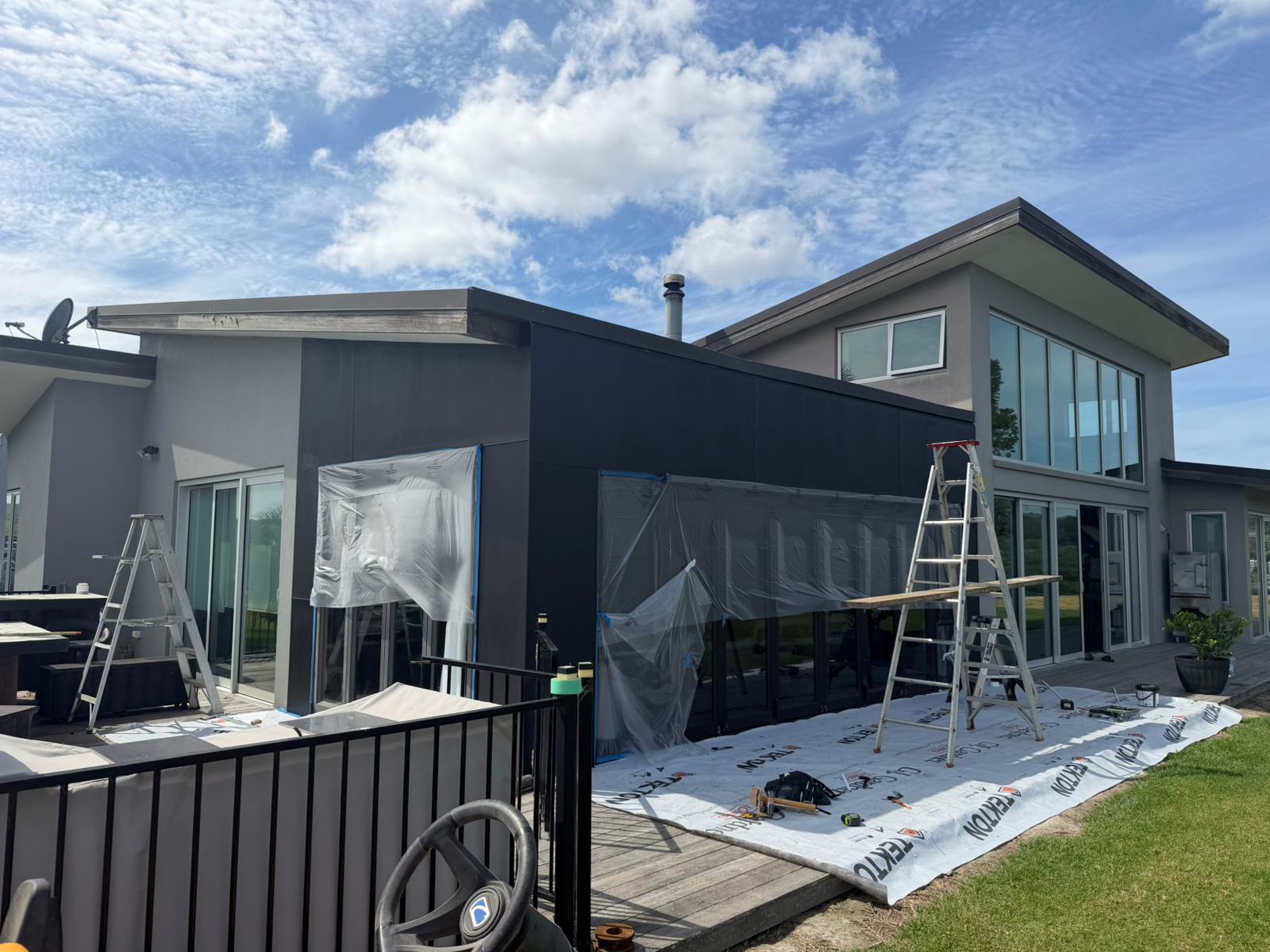
At completion, we review the work against the agreed scope and identify any outstanding items. The handover includes relevant care information and the documents required for the work, including the appropriate electrical or building records where applicable.
If you have a question about the finished work, contact the company with the job details and a description of the concern so it can be addressed through the appropriate process.
The same company does not mean every specialist trade
Building, electrical and painting are Clarke's services. A project may also need a designer, engineer, plumber, roofer or another specialist. We explain their work and how they are arranged in the scope, so you understand what the project includes.
Questions about getting started
Can I contact you before I know exactly what I want?
Yes. Describe the problem, priorities and property. We can discuss the next useful step without requiring you to write a complete brief first.
Will I receive a quote or an estimate?
The proposal needs to make its pricing basis clear. The information and assessment available determine how the work can be priced.
What happens if I want to change something?
Raise it early. Changes can affect materials, completed work, approvals and the programme, so the scope and price implications should be agreed.
Can I set a required completion date?
Tell us about it at the start. Feasibility needs to be assessed against the scope, approvals, products and available capacity.
Next step
Start with a conversation
Tell us where the job is, what you are planning and what information you already have.
See also