Advice
What to decide before your house is painted
Preparing for a painting job is partly about colours and partly about making the scope and access clear. The more accurately those decisions are described, the easier it is to understand the proposal and organise the home around the work.
On this page
These are useful points to discuss before interior or exterior painting starts.
Identify the actual surfaces
Make a list of the rooms or exterior areas you want painted. For interiors, consider walls, ceilings, doors, windows and trim separately. For exteriors, identify the cladding and any joinery, roof, deck or fence you want considered.
A request to paint the house does not establish that every surface is included. The proposal should record the boundaries of the work so both sides are talking about the same job.
Point out existing problems
Show the painter any peeling areas, cracks, stains, damaged timber or places you are concerned about. Photos help the first discussion, but the cause and condition may need assessment.
Painting and building repairs are different work. A coating should not be relied on to correct a leak or replace damaged material. If a repair is needed, establish its scope before painting proceeds.
Do not start sanding, stripping or disturbing older or suspect materials simply to get ahead of the work. The appropriate assessment and method should be agreed first.
Settle the colours and specification
Think about the surfaces beside the paint, the light in the room and how you use the space. Use samples and product information as part of the decision rather than relying only on a colour on a screen.
Ask which products and finishes are proposed, how the preparation is allowed for and what decisions are still needed from you. The specification matters because two similar-looking colours can be part of very different coating systems.
Agree access and protection
For interiors, discuss furniture, floor coverings, valuables, fixtures and the rooms you need to keep using. Make clear who moves or protects each item. Remove personal valuables and talk about large furniture before the team arrives.
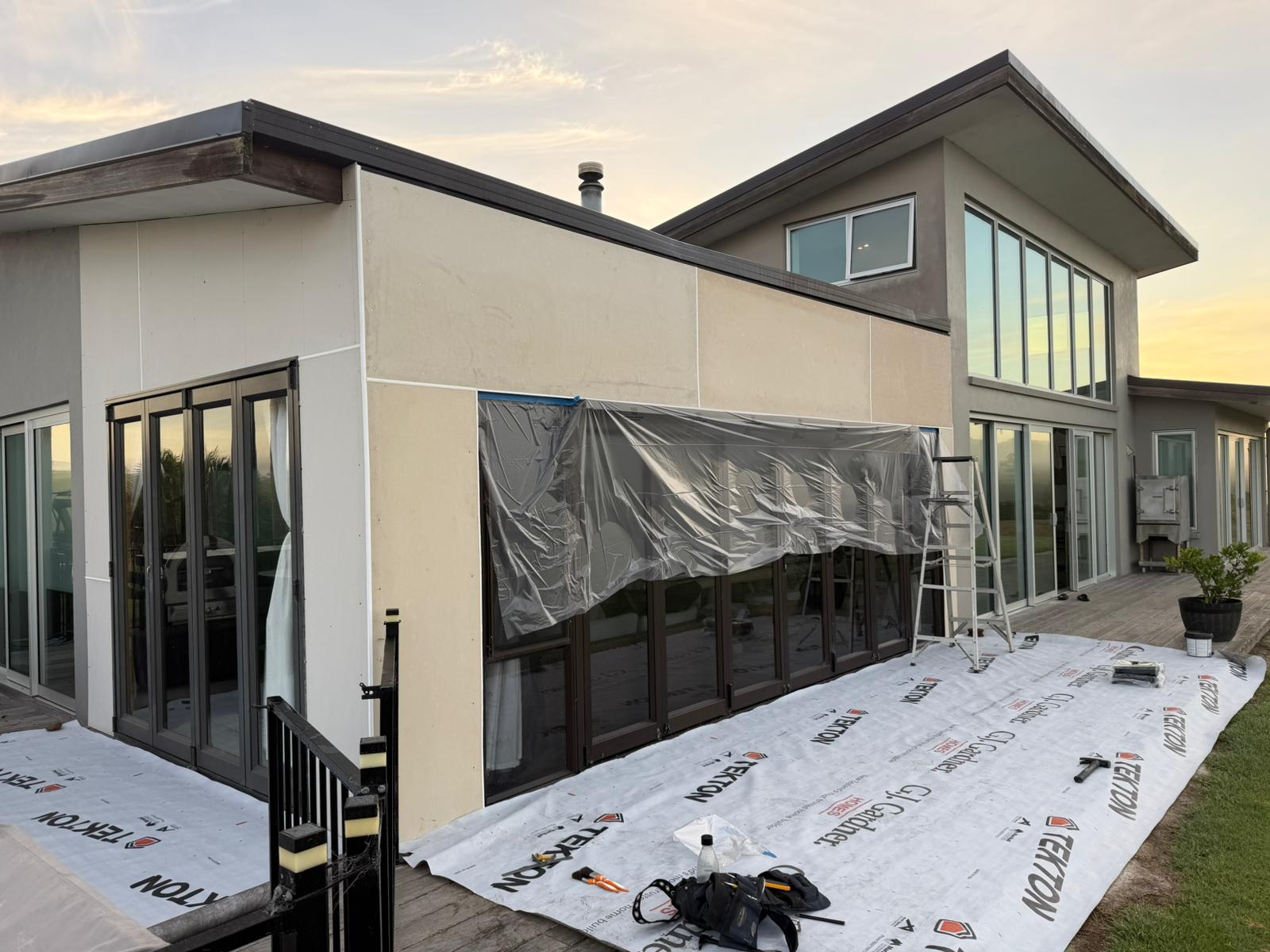
For exteriors, consider parking, gates, planting, outdoor furniture, neighbouring property and access equipment. The arrangement for protecting surrounding areas should be part of planning the work.
Mention children, pets, alarms and security requirements. These practical details help avoid misunderstandings once the team is on site.
Allow for the programme
The scope, preparation, products, drying conditions and access all affect the sequence. Exterior painting also depends on suitable weather and surface conditions.
Discuss a preferred date at the beginning, but do not plan around a universal promise that every repaint takes the same number of days. Ask how timing changes will be communicated and when rooms or surfaces can be used normally.
Read the proposal before comparing totals
Look for the surfaces included, preparation and repairs, coating specification, access equipment, protection, cleanup and exclusions. If something is important to the outcome, ask for it to be made clear.